new england wildlife center
Owned By: New England Wildlife Center
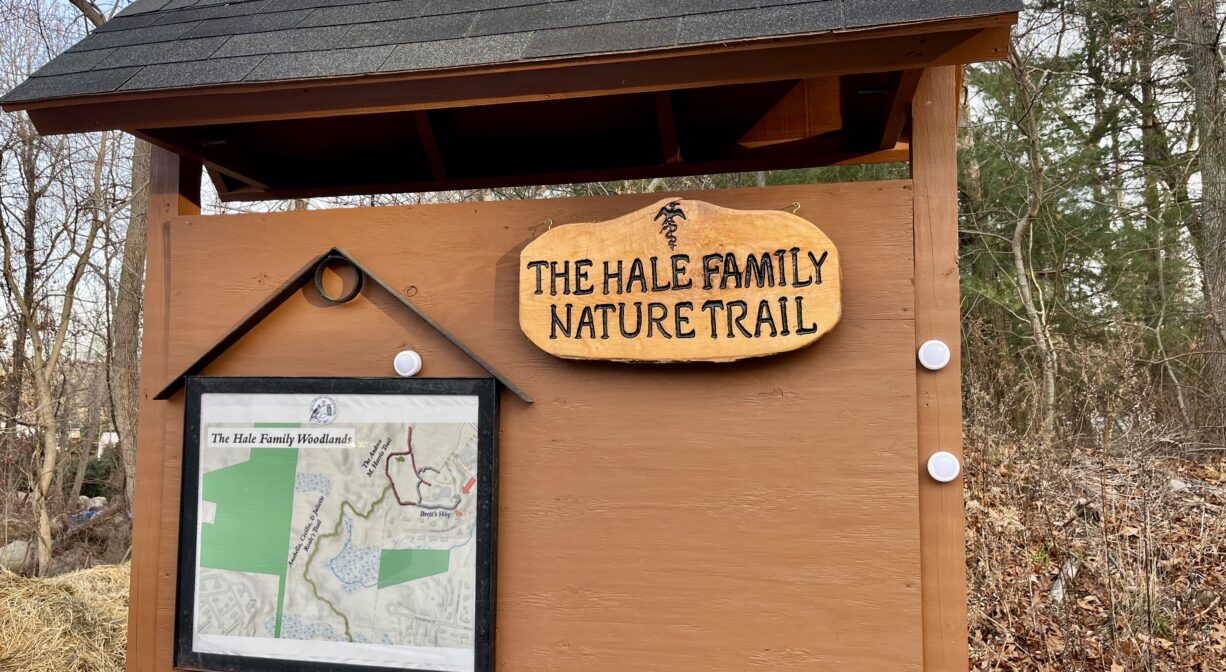
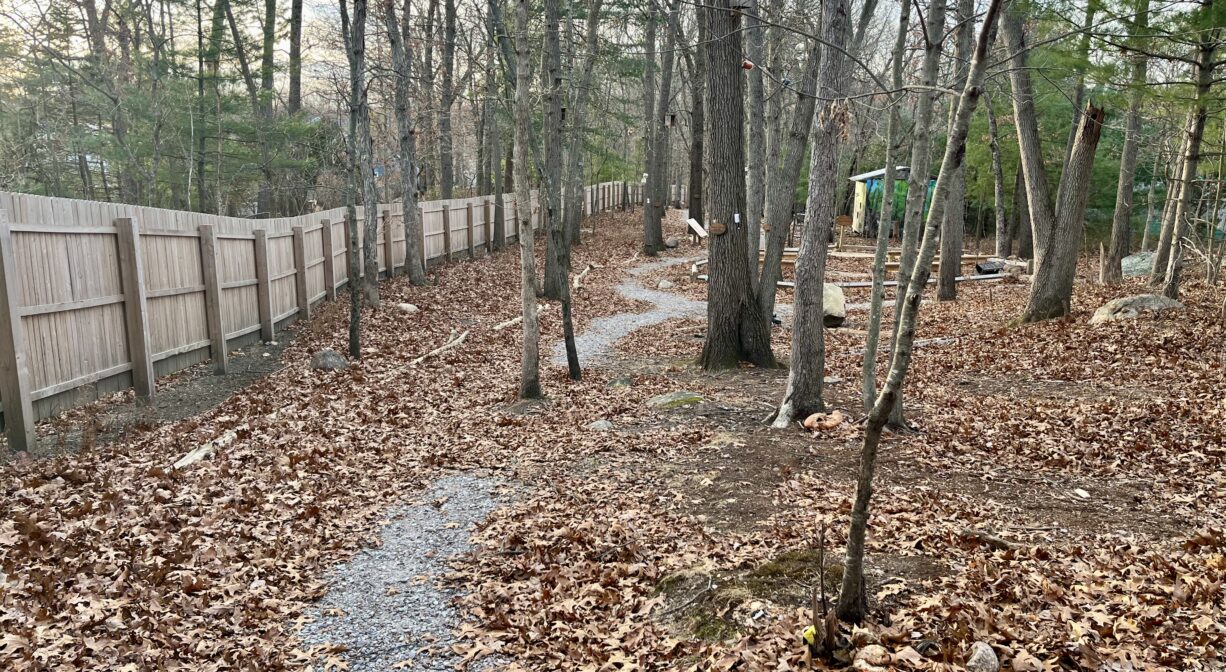
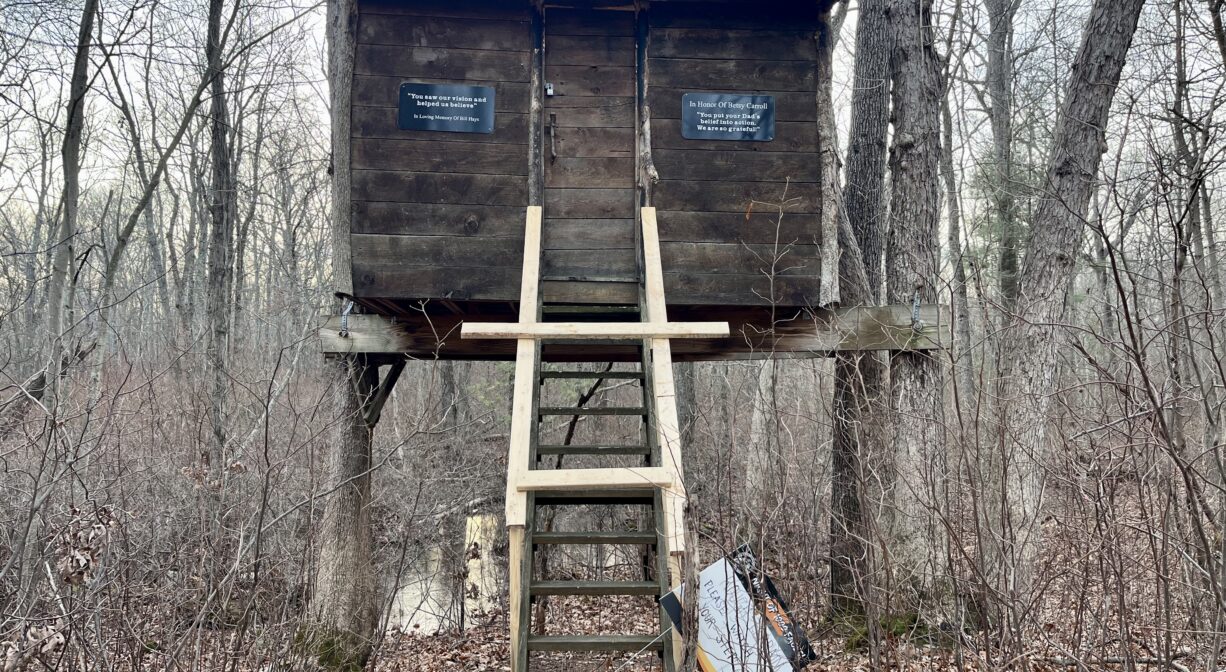
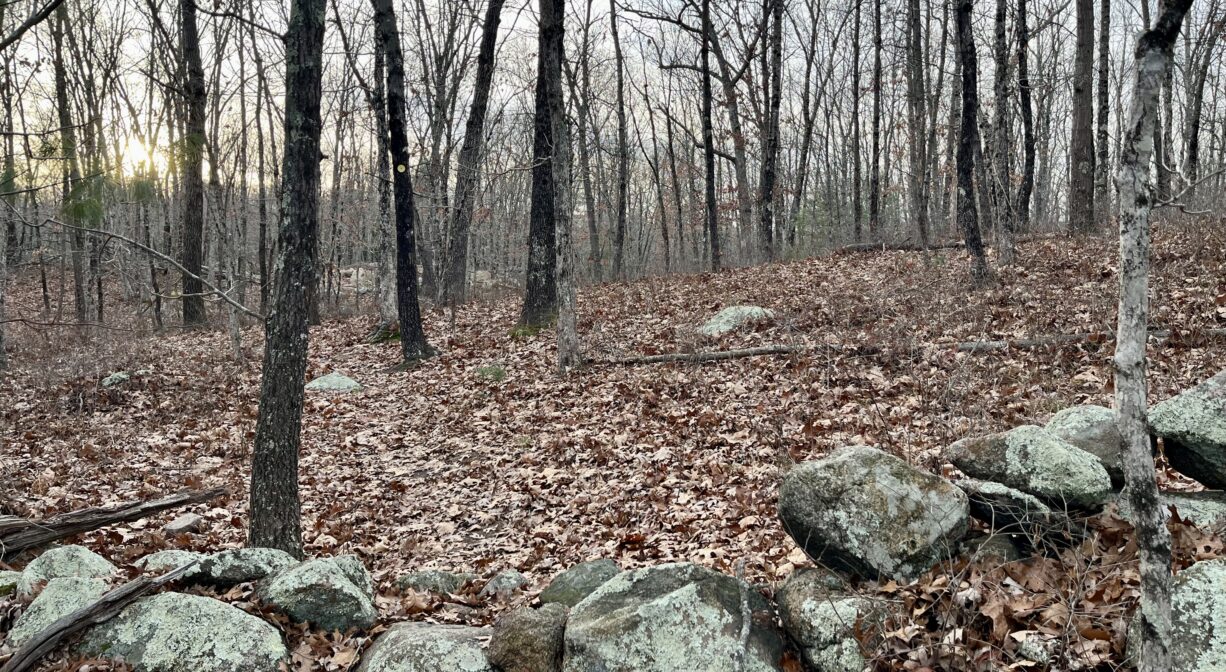
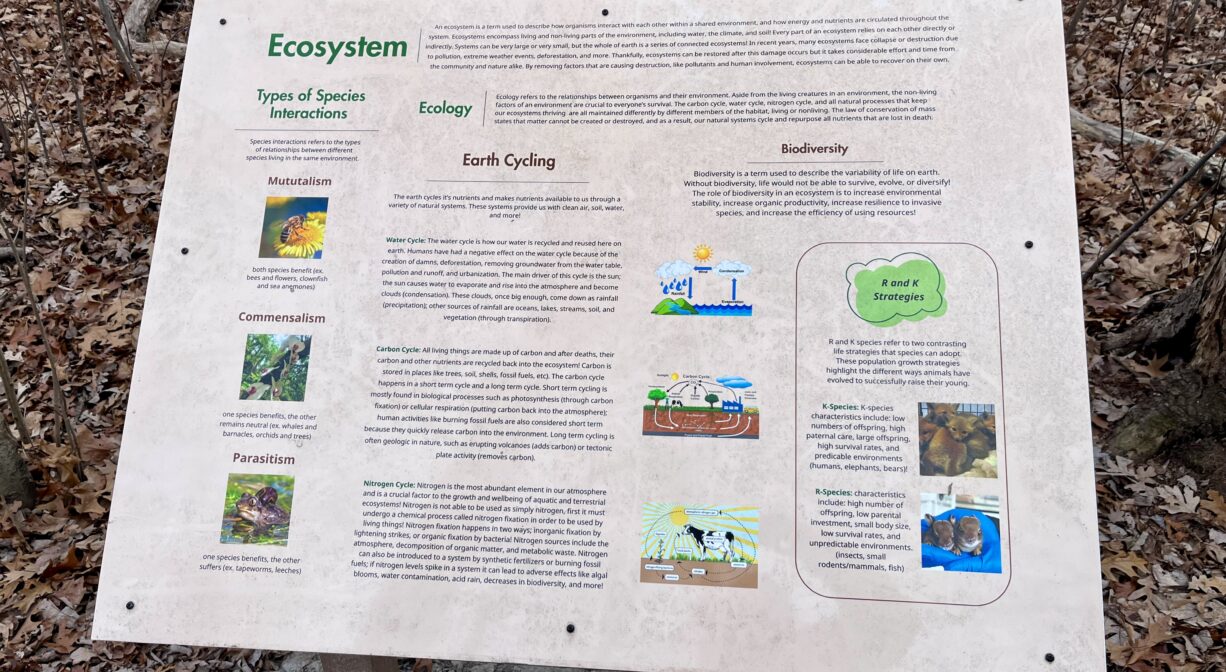
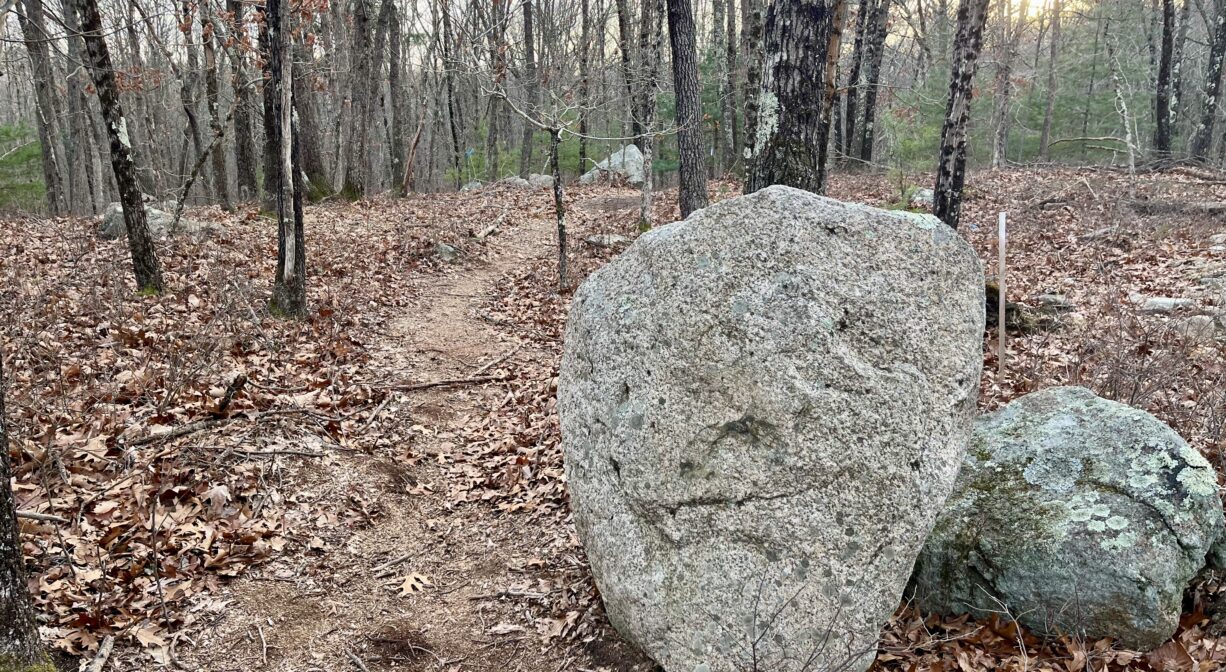
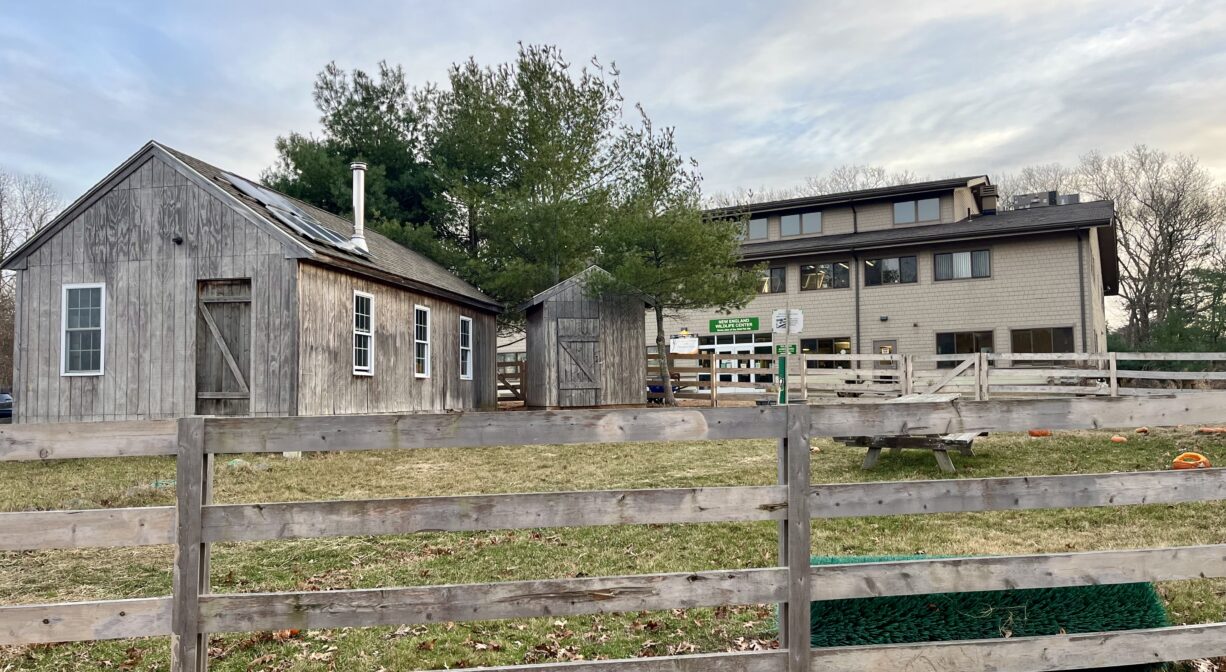
Located on the grounds of the New England Wildlife Center in Weymouth, the Hale Family Woodlands Nature Trail is a 1-mile network of forest trails with interpretive signage, glacial erratic boulders, old stone walls, and occasional footbridges.
Features
This land is within the region of the Massachusett (or Massachuseuk). To learn more about local Native American tribes, we encourage you to interact with their members. The Massachusett tribe at Ponkapoag and the Mattakeeset band of the Massachusett share information on their websites.
Trail Description
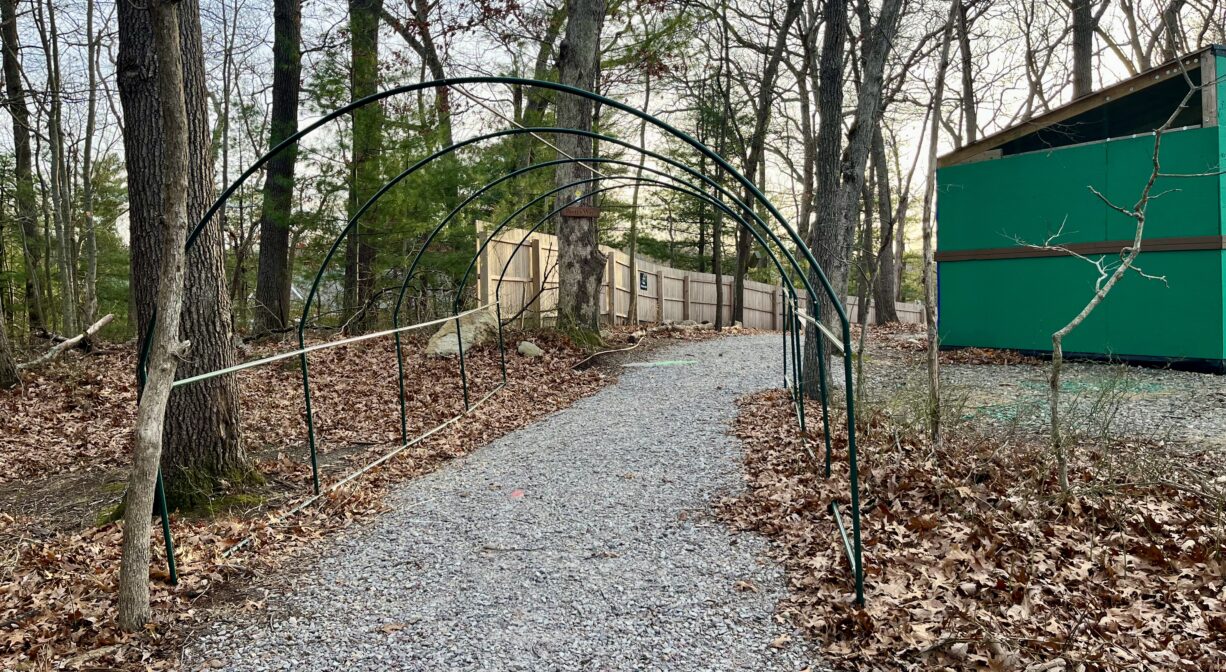
The Hale Family Woodlands Nature Trail begins at the corner of the property near the building entrance, and extends behind the building. It starts off as a wide crushed stone path, and grows narrower as it continues, eventually becoming a forest trail, which winds through vibrant woodlands, past vernal pools and varying habitats. It can be rocky in some places. Different sections of the trail system have their own names and their own color of trail blazes. Brett’s Way and the Andrea M. Harris Trail form a loop. The Anabella, Cecilia and Juliette Reale Trail extends toward Braintree.
New England Wildlife Center’s website indicates that there is a trail connection to Braintree’s Devon Woods and Cranberry Pond Conservation Area. Watch this space for details (after we’ve had a chance to explore the connector trail.)
Habitats and Wildlife
New England Wildlife Center offers this detailed Field Guide to the flora and fauna you might encounter during your visit. Quite a few species are mentioned, from ferns, to wetland plants, to wildflowers and herbs. In addition, Norwell’s FoxRock Farm donated 700 pollinator plants, including gray goldenrod, field thistle and purple coneflower, to support the bee population. Trees you might observe during your visit include black, red, and chestnut oak, white pine, red maple, dogwood, gray birch, black cherry, red cedar, black locust, and American beech. Also, sweet pepperbush, honeysuckle, gingko, sumac, and several varieties of moss and mushrooms.
Numerous animal species are mentioned in the Field Guide as well, including land snails, garter snakes, salamanders, American toads, four varieties of turtle, and five varieties of frog. Mammals you might encounter include: squirrels and chipmunks, cottontail rabbits, raccoons, opossum, fox, muskrat, white-tailed deer, and more. Numerous avian species are mentioned as well, including a variety of ducks, raptors, songbirds and more.
Waters on this property flow to Mill Stream, a tributary to the Mill River. The Mill River emerges from Weymouth’s Great Pond and flows northeast through Weymouth to Whitman’s Pond. It is a headwater to the Weymouth Back River, which flows for about 10 miles and empties into the Atlantic Ocean at Hingham Bay, just south of Grape Island and Slate Island. We encourage you to follow and support the Back River Watershed Association.
Historic Site: No
Park: No
Beach: No
Boat Launch: No
Lifeguards: No
Size: 52 acres
Hours: Dawn to Dusk
Parking: Ample on-site parking at 500 Columbian Street.
Cost: Free admission to the trails. There is a small fee for visiting the indoor spaces.
Trail Difficulty: Easy
Facilities:
Interpretive signage, outdoor classroom/amphitheater, footbridges.
Dogs: Dogs must remain on leash. Always clean up after your dog!
Boat Ramp: No
ADA Access: The section of the trail that extends behind the NEWC building may be suitable for some wheelchair users.
Scenic Views: Yes
Waterbody/Watershed: Mill River (Weymouth Back River watershed)