 NATURE
by Kezia Bacon
Milestone birthdays are both a time to reflect and to plan for the future. As our nation celebrates its 250th birthday, I’ve been thinking about our local waterways — what was happening on them in 1776, and how they have changed.
Today, we value the North River for recreation, for serenity, and for its scenic beauty. But 250 years ago, the North River was a bustling center of industry and commerce. A sawmill, iron forge, or grist mill stood on nearly every major tributary. Shipyards produced vessels for whaling and trade. Packet ships sailed up and down the river, and back and forth to Boston, buying and selling both local and exotic goods. Riverfront properties were valued for their accessibility, and in many cases for the salt marsh hay that grew there naturally.
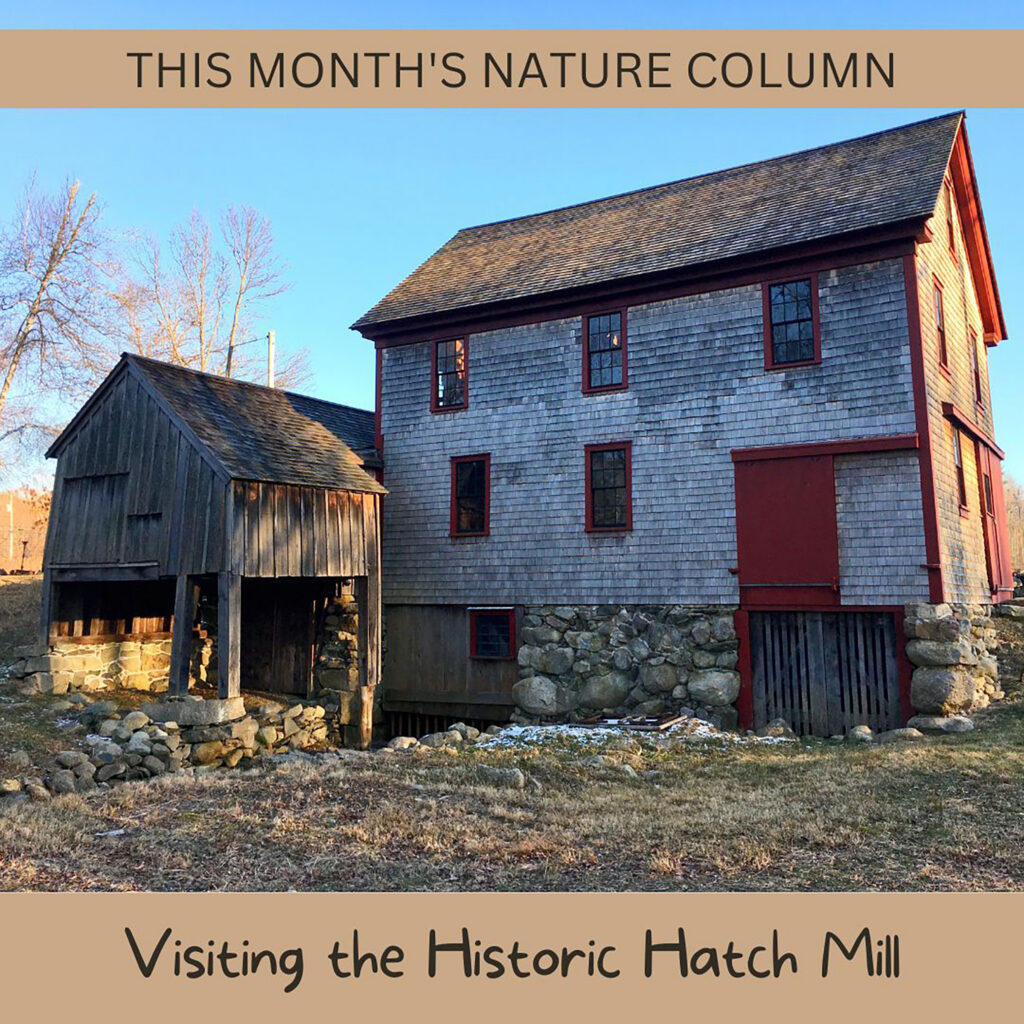
Wouldn’t it be fun to go back in time and truly experience our local communities and waterways as they were 250 years ago? While time machines remain a fantasy, we are fortunate to have the next best thing available to us: active historical and preservation societies. There are many excellent organizations across the South Shore that provide varied historical programming – talks, tours, plays, even comic books! – along with interactive exhibits. Today I’d like to highlight Marshfield’s Hatch Mill, which stands at the edge of Two Mile Brook, a tributary to the North River.
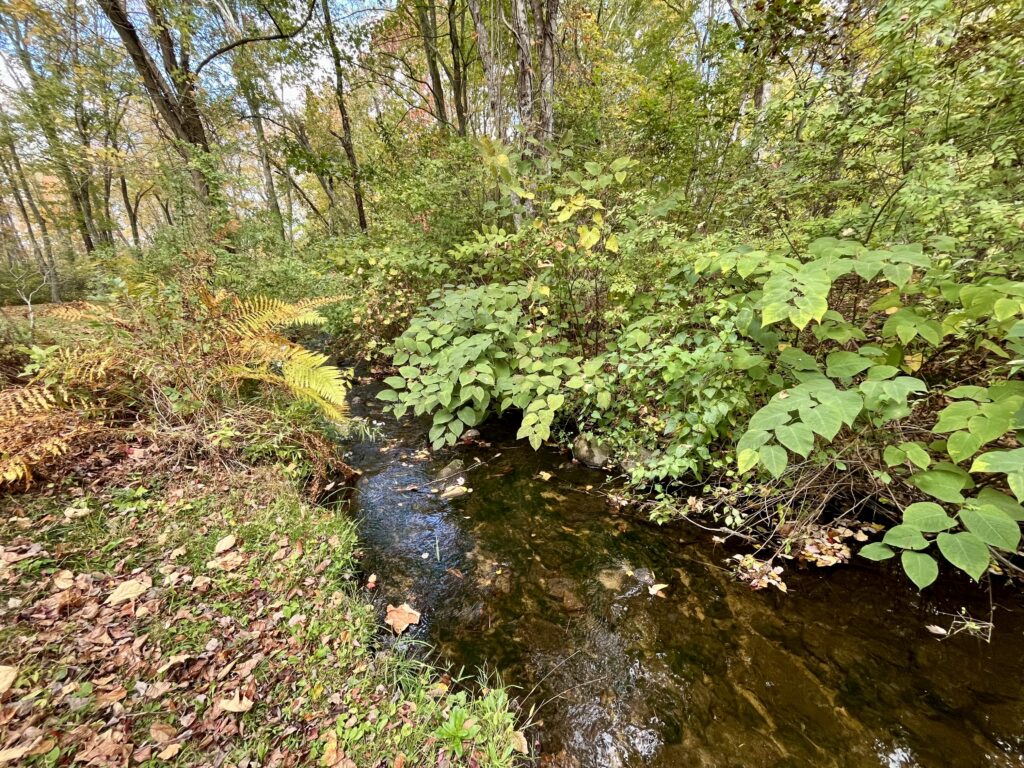
Prior to European colonization, Two Mile Brook sprung from Cooper’s Pond, off today’s School and Forest Streets in Marshfield, and snaked downhill, flowing for about 2.5 miles to the North River. The freely-flowing stream provided habitat for wildlife and both fresh water and a source of sustenance for the Native Americans who inhabited the area.
By the 1770s, at least two mill dams had been constructed on the brook, with two more to follow. Each dam created an impoundment – a manmade pond – and thus along the way, Clark, Magoun, Oakman and Mounce Ponds were formed. For a time in the 1800s, each dam fueled one or two mills simultaneously, making this relatively diminutive stream an industrial powerhouse. There were gristmills and sawmills, carding and fulling mills for the production of cloth, along with shingle and boxboard mills for processing lumber. Each was operated by a member of the Hatch family.
As early as 1647, Walter Hatch established a home on the banks of Two Mile Brook, near its confluence with the North River. Writing his will in 1698, he bequeathed all of his land, housing and barns, along with a corn mill and a fulling mill, to his two sons, John and Israel. So while their exact locations seem to have been lost to time, we know that mills on this stream date back at least that far.
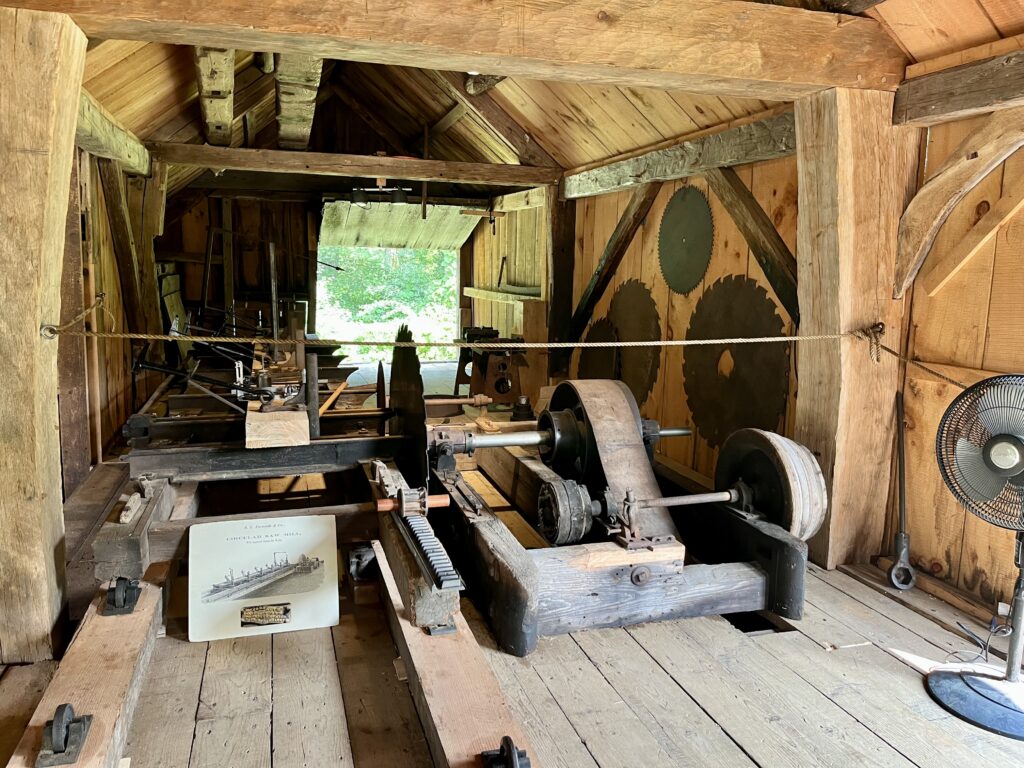
In 1752, Israel Hatch established a grist mill at today’s Hatch Mill site on Two Mile Brook. Sixty years later, Deacon Joel Hatch added a long-log sawmill. The grist mill remained in place until 1839, and then the structure was moved to another Hatch property, to be used as a carriage shed. But in 1859, Samuel Franklin Hatch repurposed its foundation, constructing a short-log sawmill, for boxboards. In 1872, he updated the water wheel to a turbine and upgraded the up-and-down saw to a circular saw.
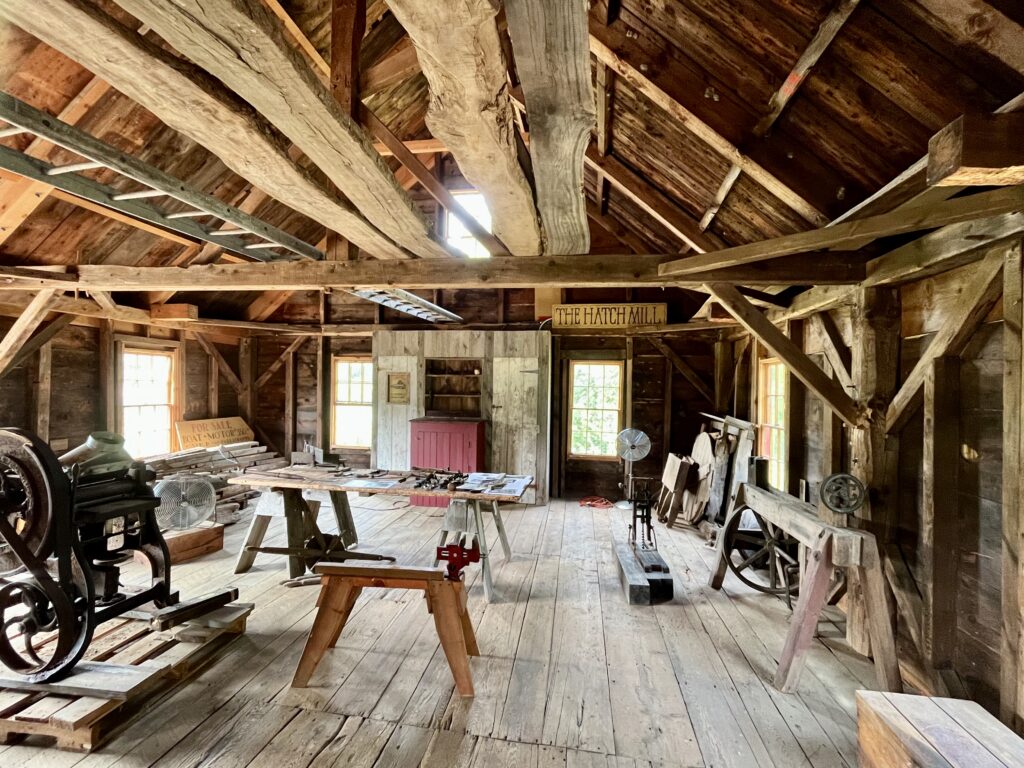
The mill site continued to pass through generations of the Hatch family, ending with Franklin Decker Hatch, who acquired it in 1912 and operated it until his retirement in 1965. Between 1965 and 2004, there were various attempts to preserve the mill site, but efforts really kicked into gear when the Hatch Mill Group took over and commenced a series of restoration projects.
Thanks to them, visitors can now stop by several times a year to tour both the interior and exterior, to learn how the saw mill worked, and to enjoy close-up views of the associated tools and machinery. It’s fascinating, and well worth an hour of your time on a Saturday. Seeing first-hand what’s involved in operating a small sawmill significantly enriched my understanding not just of mills, but also their impact on the community.
Mills and factories still exist on the South Shore, but they no longer rely on moving water to fuel them. While the buildings and the millworks may be gone, in many cases the dams still remain in place. From Hingham to Plymouth alone, there are 225 obsolete dams! For more than two decades, NSRWA has been working with landowners, local governments, and the state’s Department of Ecological Restoration to assess these dams and determine which ones can be removed. Read my article about the South River dam removal at Veterans Memorial Park in Marshfield to learn more about the “how’s” and the “why’s” of dam removals.
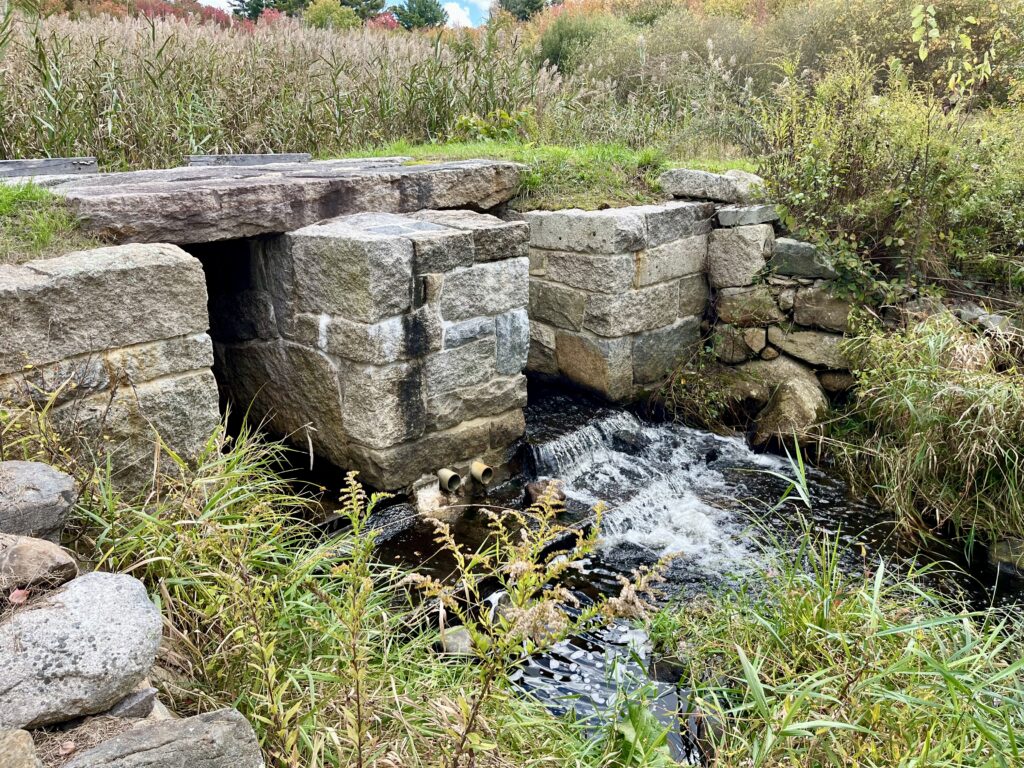
The Hatch Mill offers an excellent opportunity to go back in time and gain a better understanding of the historic significance of a little stream like Two Mile Brook. Open Houses take place each year from May to September. The next one takes place August 29, from 10:00 am to 3:00 pm with another on September 26. For more information about the Hatch Mill, visit its website.
If you enjoy the outdoors, be sure to check out NSRWA’s Explore South Shore program. Every morning, we highlight one of the region’s best public nature places on Facebook and Instagram. Every Tuesday, it’s a spot with water access, including other historic mill sites. Not on social media? We’ve listed all the locations on our website as well!
Kezia Bacon’s articles appear courtesy of the North and South Rivers Watershed Association, a local non-profit organization devoted to protecting our waters. For membership information and a copy of their latest newsletter, contact NSRWA at (781) 659-8168 or visit www.nsrwa.org. You will also find thirty years of Kezia’s Nature columns there.